
Learn the essential steps businesses should take to improve online compliance, protect their reputation, strengthen customer trust, and reduce unnecessary digital risks.
Understand the registrations, licenses, tax responsibilities, disclosures, and government requirements that may apply to your business and how it operates.
Understand how websites, cookies, analytics, forms, third-party tools, security, and other technologies can create responsibilities for your business.
Learn why digital accessibility matters and how your website, content, forms, documents, and online experiences can better serve people with disabilities.
Understand the importance of protecting your brand and respecting intellectual property when using names, logos, images, content, software, and other digital assets.
Learn how collecting, using, storing, and sharing personal information can create privacy responsibilities and why transparency with customers matters.
Explore important requirements involving advertising, consumer protection, disclosures, reviews, email marketing, subscriptions, pricing, and other online commercial activities.
Understand how search engines, AI platforms, directories, marketplaces, advertising networks, and other digital platforms establish rules that can affect your online visibility.
April 8, 2019
Through two long weeks I wandered, stumbling through the nights guided only by the stars and hiding during the days behind some protruding rock or among the occasional hills I traversed.
August 17, 2026
A business may start with a simple name, a basic website, and a small number of customers. As the company grows, that name can become one...

August 17, 2026
Choosing a business name is often one of the first steps in starting a company. Business owners may register a company with a state, file a...
August 17, 2026
Running a business from home can be a practical way to start and operate an online company. A...
August 17, 2026
Artificial intelligence has made it easier to create website content, including Terms and...
August 17, 2026
For many businesses, Google is part of the everyday customer journey. A person may find a company...
August 17, 2026
The Federal Trade Commission (FTC) plays an important role in the U.S. online business environment....
August 17, 2026
Running a business online involves more than maintaining a website and accepting payments....
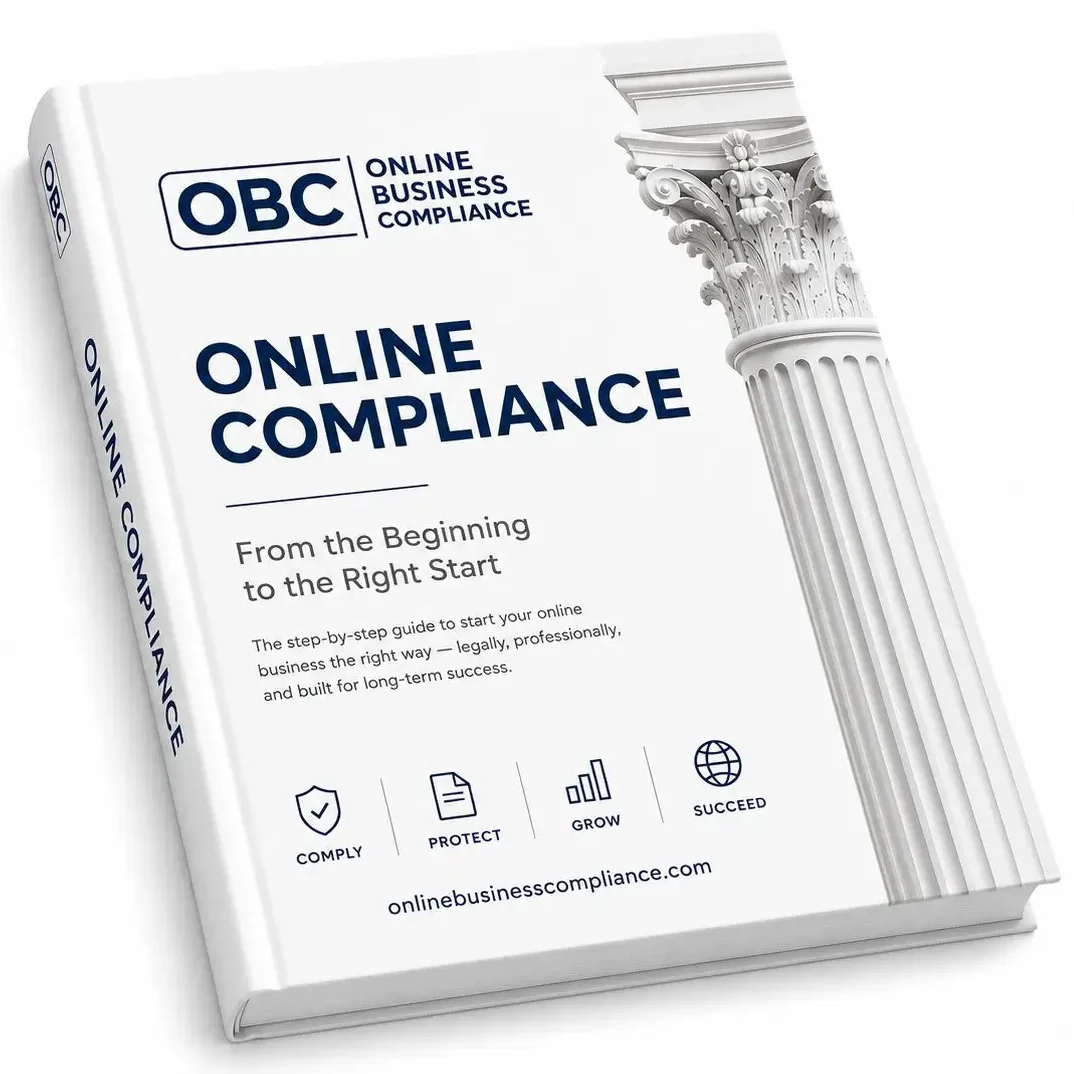
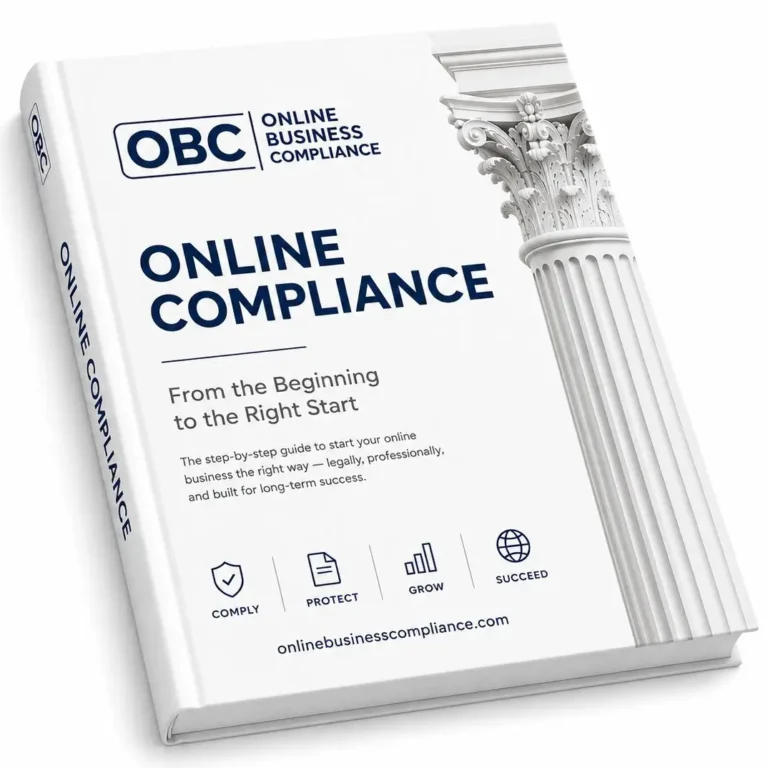
Navigating digital regulations doesn’t have to be overwhelming. This comprehensive guide breaks down complex website requirements into practical, step-by-step strategies. Whether launching your first site or updating an established business, this book serves as your strategic roadmap to building a prepared, trusted, and legally mindful digital presence.
• How to identify and fix common website compliance risks.
• Simple ways to structure your policies and data disclosures.
• Strategies to protect your digital reputation and lower risks.
• Methods to boost your authority across Google and AI platforms.
Operating openly by clearly displaying your business entity details, clear contact methods, and honest identifiers so visitors know exactly who they are doing business with.
Safeguarding user data, implementing clear collection notices, and ensuring your methods respect modern consumer privacy regulations and data handling standards.
Establishing clear rules of engagement through structured terms of use, purchase conditions, and disclosures that define responsibilities and protect your digital operations.
Transforming compliance from a checklist into a competitive advantage by providing clear, accessible, and verified trust signals that turn cold traffic into loyal clients.
Protecting your brand’s standing across reviews, feedback loops, and external aggregators by maintaining a transparent, responsible, and compliant digital footprint.
Optimizing how your business authority is crawled, understood, and recommended across next-generation AI models, search engine algorithms, and digital platforms.
Copyright © 2026 Online Business Compliance. All rights reserved.
All other registered trademarks are the property of their respective owners.